Exploring the Latest Trends in Real Estate Technology
NR
Introduction to Real Estate Technology Trends
The real estate industry is undergoing a significant transformation, driven by the integration of cutting-edge technology. These advancements are not only streamlining processes but also enhancing customer experiences. In this blog post, we delve into the latest trends shaping the future of real estate.

Virtual and Augmented Reality
One of the most exciting developments in real estate technology is the use of Virtual Reality (VR) and Augmented Reality (AR). These tools allow potential buyers to tour properties remotely, providing a lifelike experience from the comfort of their own home. This technology is especially beneficial for international clients or those relocating to a new city.
Benefits of VR and AR
Virtual tours can significantly reduce the time spent on physical visits, while AR can help visualize modifications or renovations before they are made. These technologies enhance decision-making and boost client satisfaction.
Artificial Intelligence and Big Data
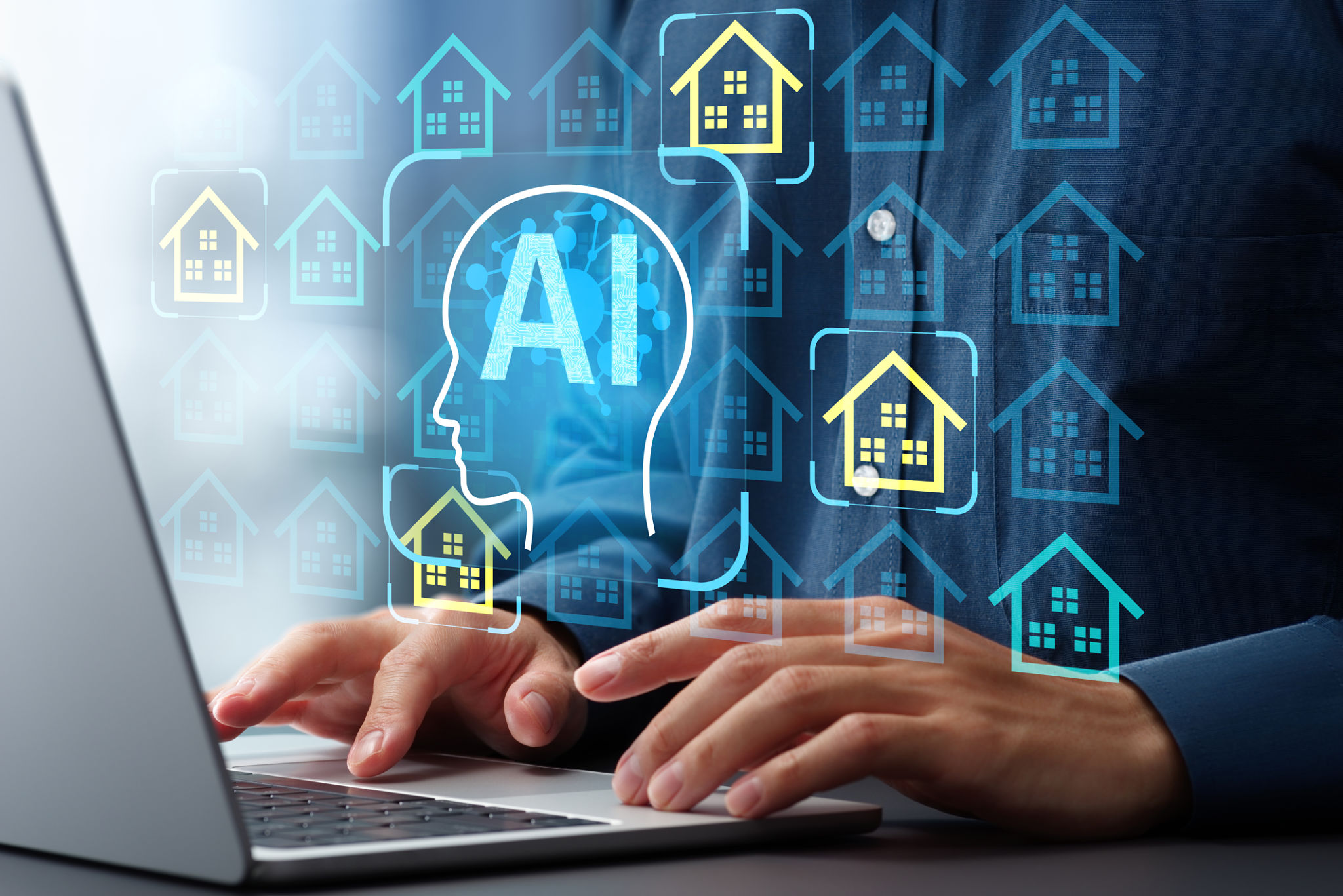
Artificial Intelligence (AI) is revolutionizing how real estate professionals analyze data. By leveraging big data, AI can predict market trends, property values, and even potential buyer behavior. This predictive analysis empowers agents to make informed decisions and provide personalized recommendations to clients.
AI in Customer Service
AI-powered chatbots are increasingly used to handle customer inquiries, providing instant responses and freeing up valuable time for real estate agents. This automation ensures that clients receive timely assistance, enhancing the overall customer experience.
Blockchain for Real Estate Transactions
The introduction of blockchain technology in real estate is paving the way for more secure and transparent transactions. By using blockchain, parties can execute contracts with reduced risk of fraud and errors, ensuring a smoother transaction process.
- Improved transparency and security
- Reduced transaction time
- Lower costs due to fewer intermediaries

Smart Home Technology
Smart home technology is becoming a key selling point in modern real estate. Features like automated lighting, temperature control, and security systems not only add convenience but also increase property value. Buyers are increasingly seeking homes equipped with the latest smart technology.
Impact on Energy Efficiency
Smart home devices contribute to energy efficiency, allowing homeowners to monitor and reduce energy consumption, which is both environmentally friendly and cost-effective.
Conclusion
The integration of technology in real estate is reshaping the industry landscape. From virtual tours to blockchain, these innovations are creating new opportunities and improving the overall efficiency of real estate transactions. As these technologies continue to evolve, they promise to further transform how we buy, sell, and manage properties.